
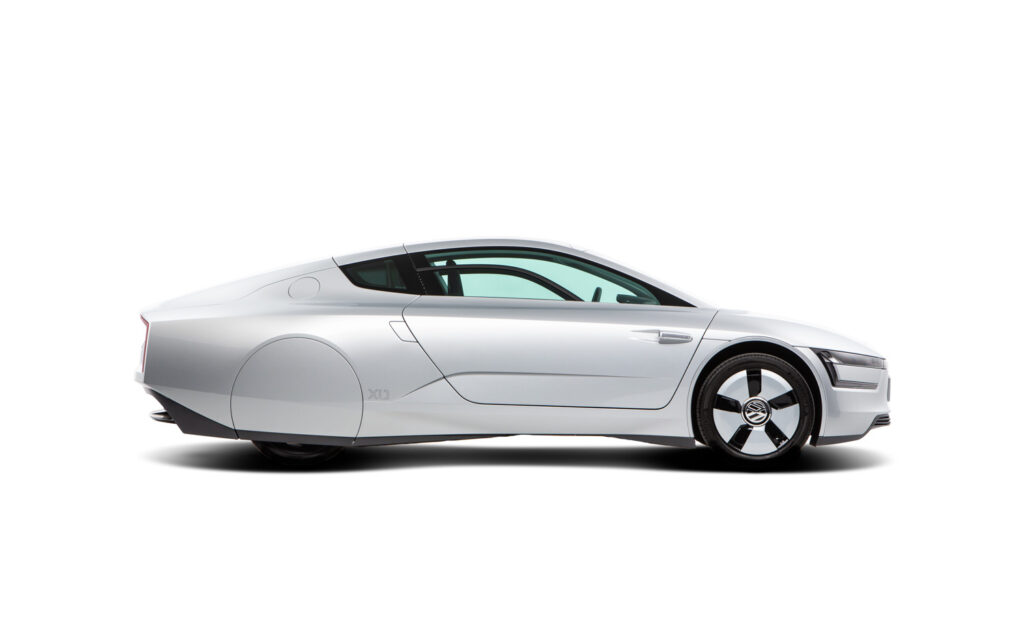
VW XL1
SPECIFICATION
- 12,482 Mileage:
- 99 Top Speed:
- 2015 Year:
- 12.7 0 - 60:
- 12 Months MOT Expiry:
- 68 BHP:
- 6 / 12 Months Tax Expiry:
- 7 Speed DSG Transmission:
- Reflex Silver Metallic Exterior Colour:
- 800cc Engine Capacity:
- Titanium Black Alcantara Interior Colour:
- Twin-Cylinder TDI Plug-In Hybrid Engine Configuration:

MODEL HISTORY
Few cars demonstrate Ferdinand Piëch’s relentless pursuit of engineering quite like the Volkswagen XL1. Its origins stretch back to the beginning of the millennium, when Volkswagen set itself the extraordinary challenge of creating a genuinely usable production car capable of consuming just one litre of fuel per 100 kilometres.
The first experimental 1-Litre Car appeared in 2002, followed by the L1 in 2009, but it was the XL1 that finally brought the idea into series production. Rather than simply adapting an existing Volkswagen platform, engineers approached virtually every element of the car around a single objective: efficiency. Aerodynamics, weight, drivetrain, construction and even individual components were reconsidered, resulting in something far closer in philosophy to an experimental supercar than a conventional economy vehicle.
Its carbon fibre reinforced polymer monocoque forms the centrepiece of that approach. The body tapers dramatically towards the rear, the back wheels are enclosed and conventional door mirrors were discarded in favour of camera-based e-Mirrors. Standing only 1,153mm high and carrying a drag coefficient of just 0.189, the XL1 remains an extraordinary piece of automotive design more than a decade after its introduction.
Production was undertaken at Volkswagen’s Osnabrück facility using unusually labour-intensive, small-series manufacturing techniques. Carbon fibre body structures, aluminium suspension components, ceramic brake discs and magnesium wheels underline just how seriously Volkswagen treated the project, creating one of the most technologically ambitious road cars ever to wear the VW roundel.
Equipment
Carbon Fibre Reinforced Polymer Monocoque, Wing Doors, E-Mirror Digital Exterior Mirrors, Magnesium Alloy Wheels, Ceramic Brake Discs, Plug-In Hybrid System, Lithium-Ion High-Voltage Battery, 7-Speed DSG Transmission, Rear-Wheel Drive, Regenerative Braking, Electronic Stability Programme, Anti-Lock Braking System, Air Conditioning, Low Rolling Resistance Tyres
EXTERIOR
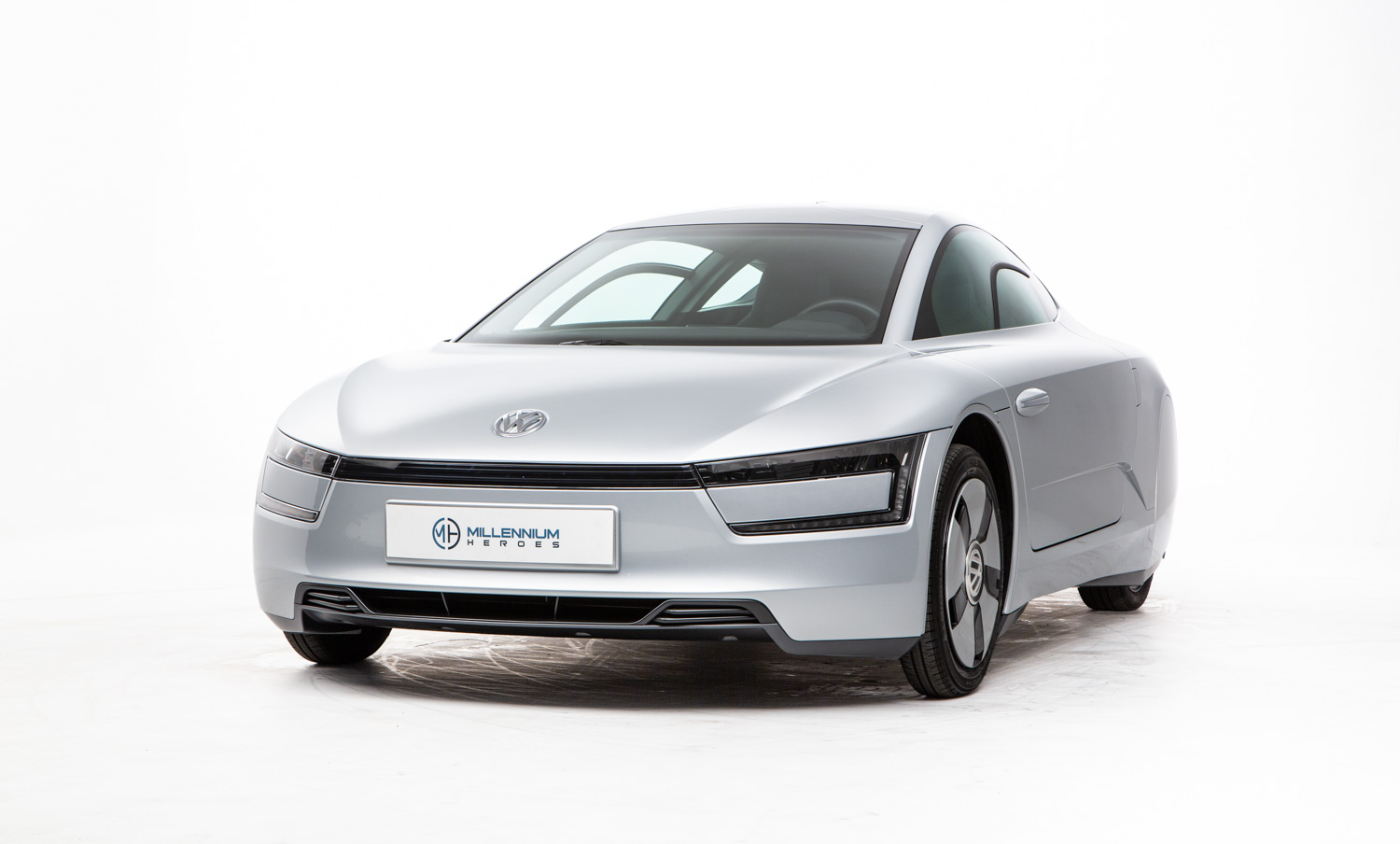
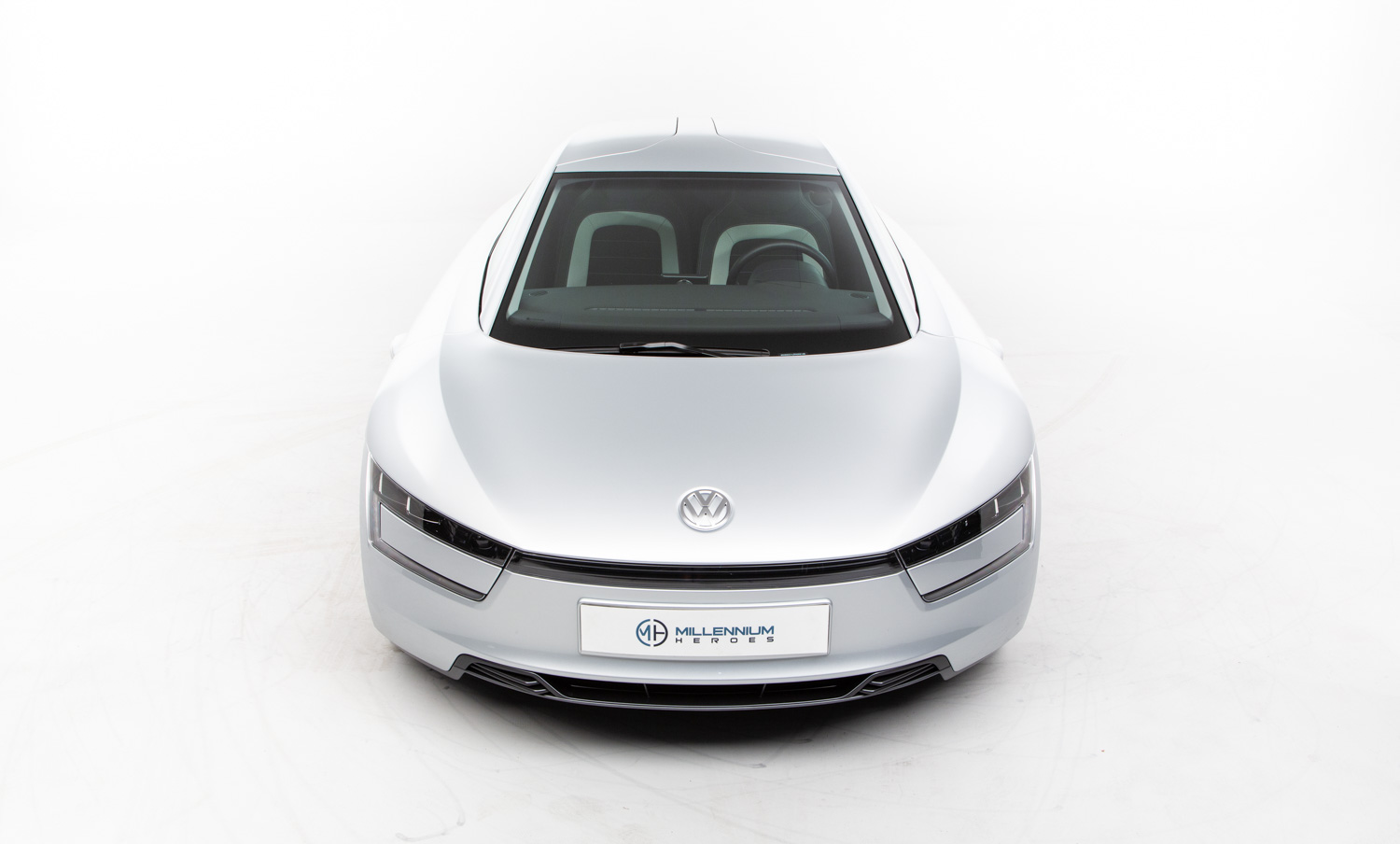
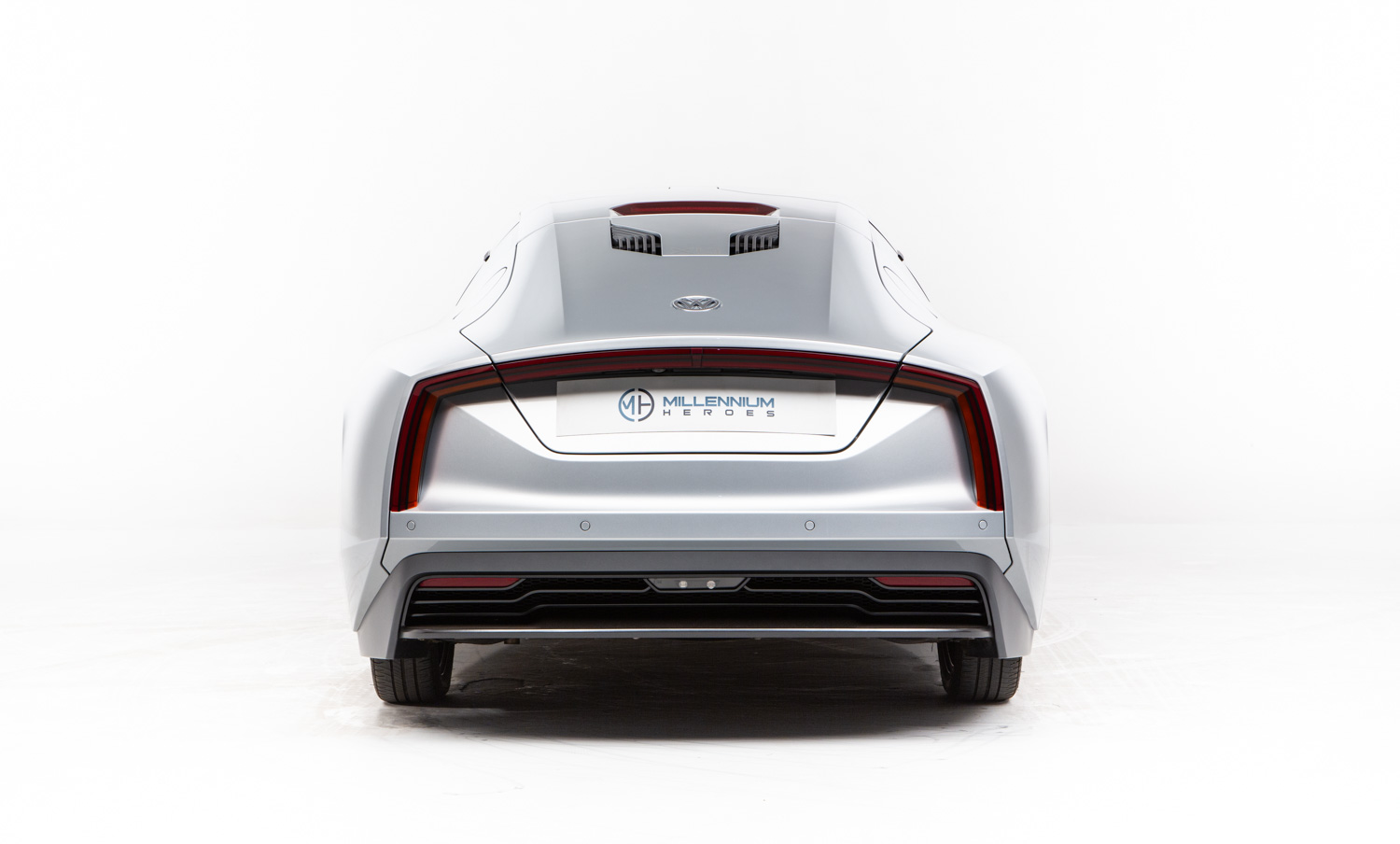
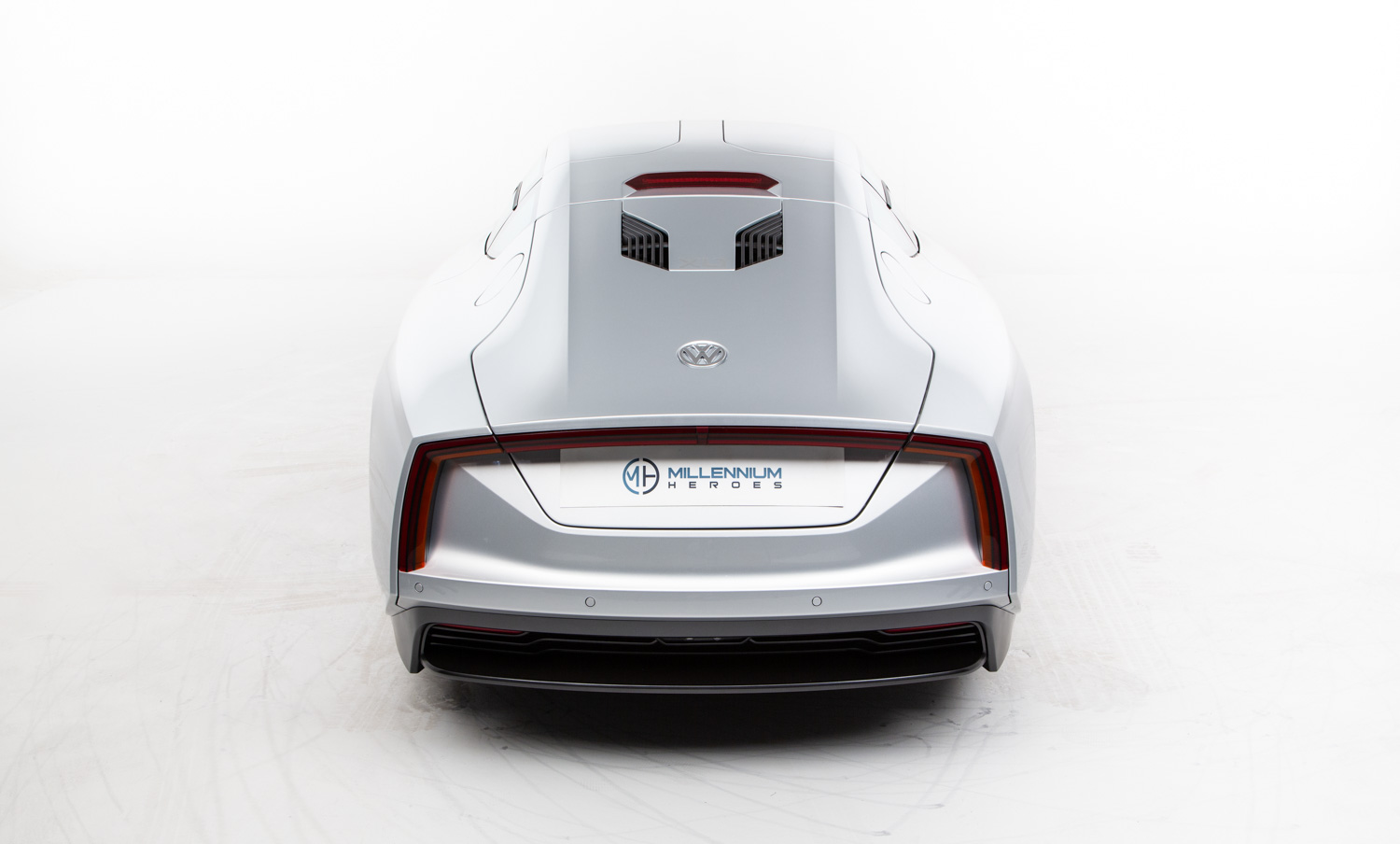
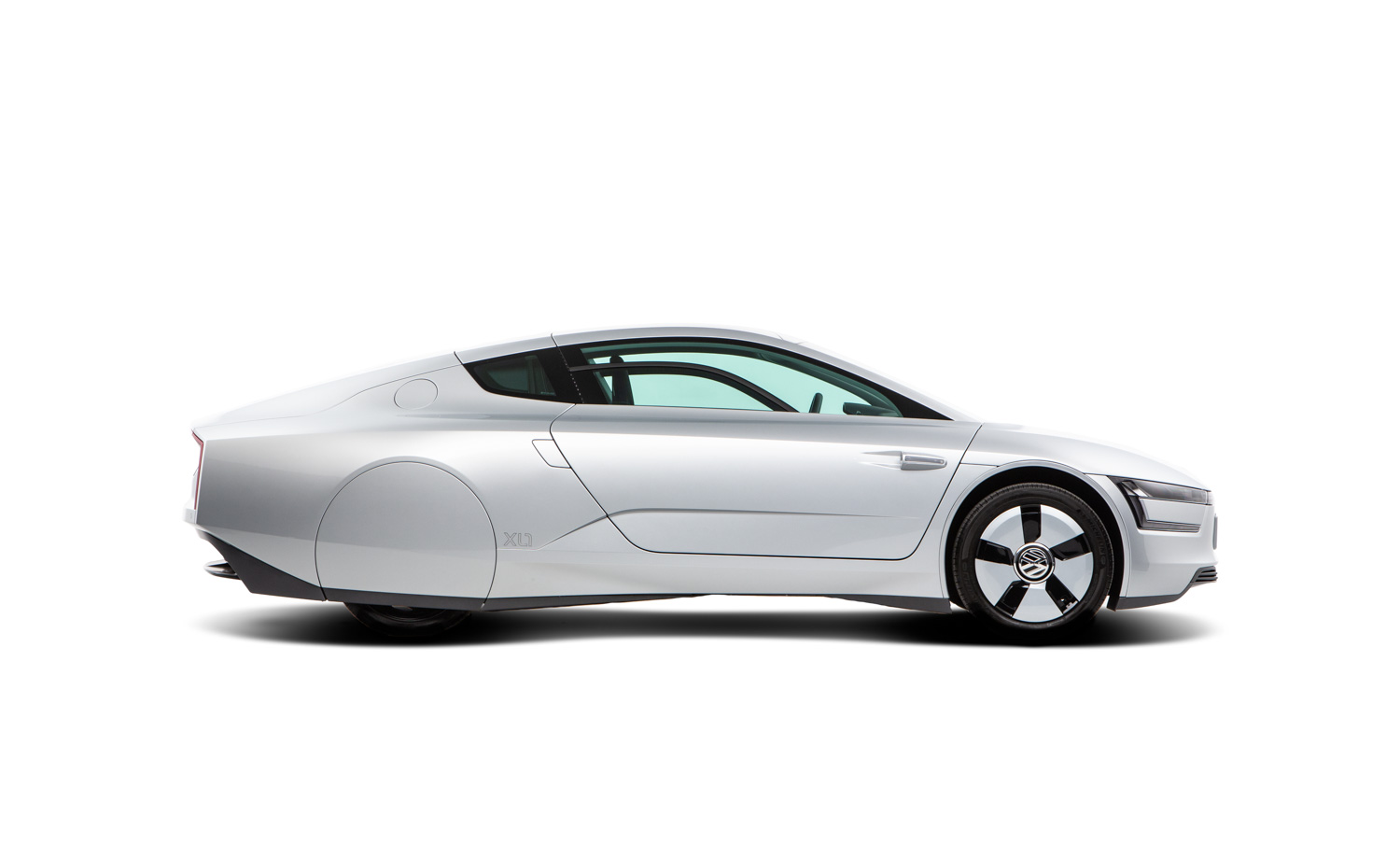
Few production cars have been shaped with such complete devotion to aerodynamics. The XL1 is widest across its front axle before tapering towards the rear, its shallow glasshouse, enclosed rear wheels and completely smooth underbody creating a form that looks as remarkable today as it did when first revealed.
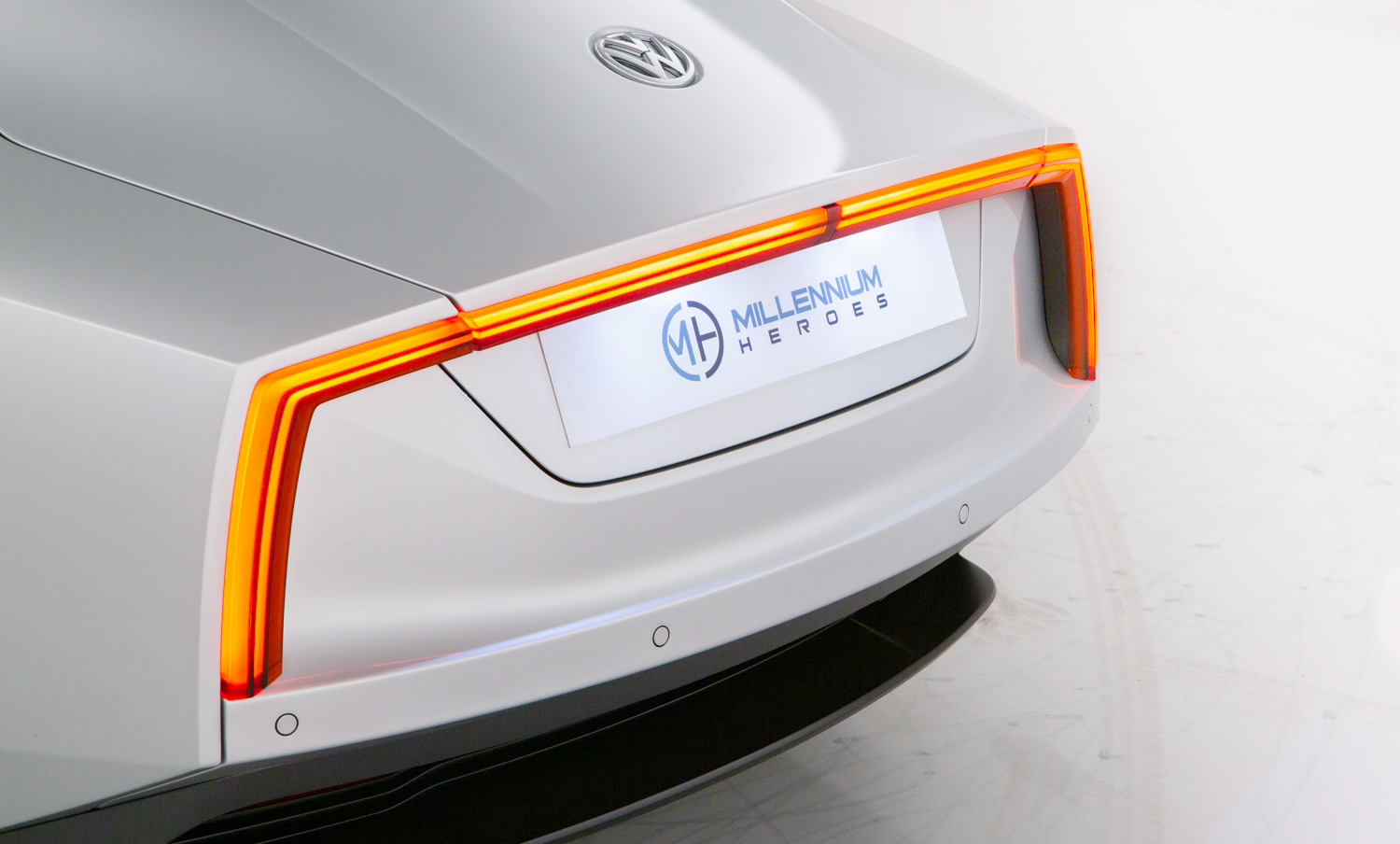
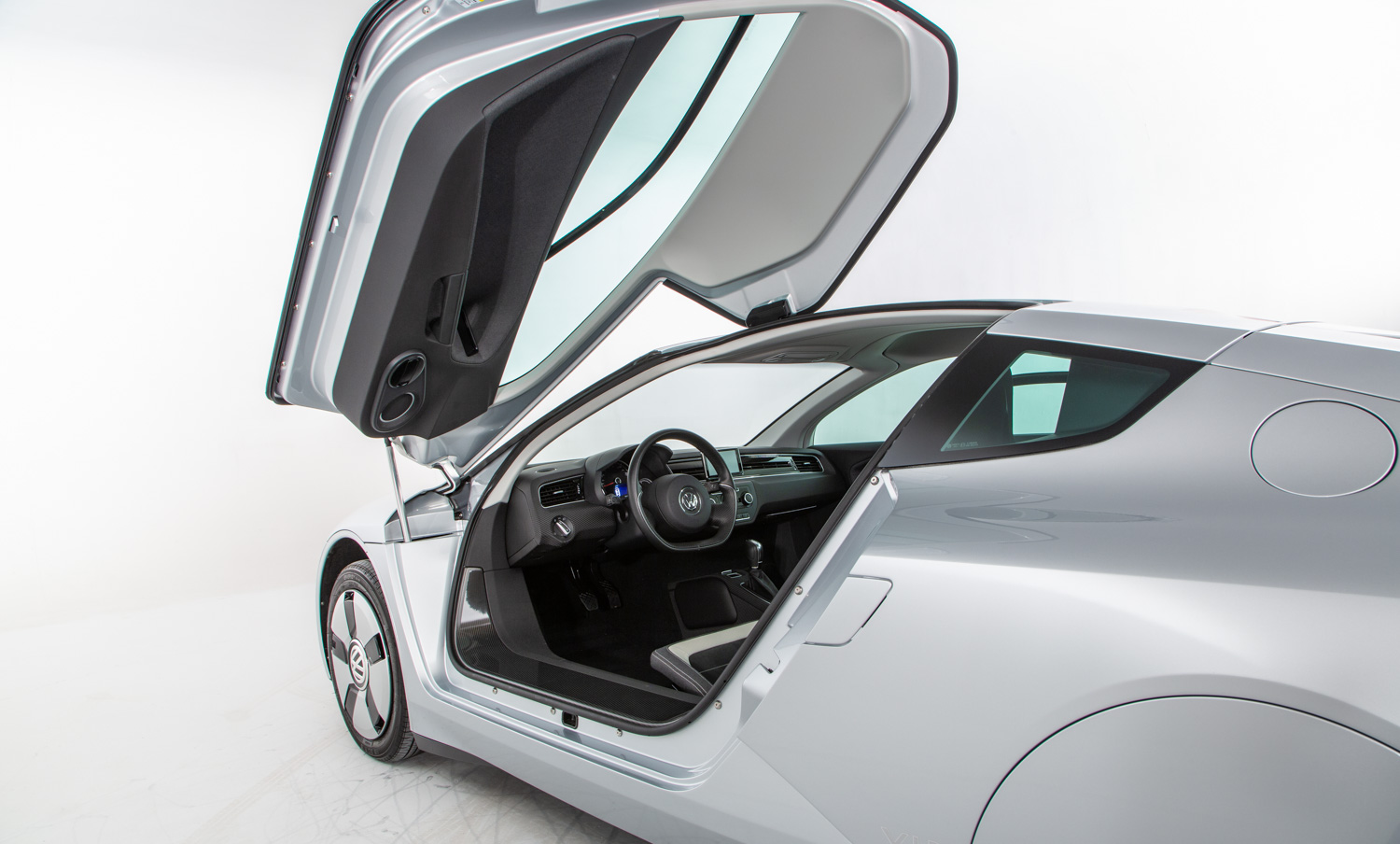
Silver metallic paintwork suits the crisp, technical design particularly well, highlighting the uninterrupted sweep of the body and the contrasting gloss-black lighting panels. Conventional door mirrors are replaced by cameras housed within the butterfly doors, while the rear dispenses with a traditional windscreen in favour of a continuous coupé profile and full-width LED lighting.
The paintwork retains a clean, consistent finish, the exposed carbon around the apertures appears particularly well preserved and the vulnerable door openings and lower sills show the benefit of careful ownership.






INTERIOR
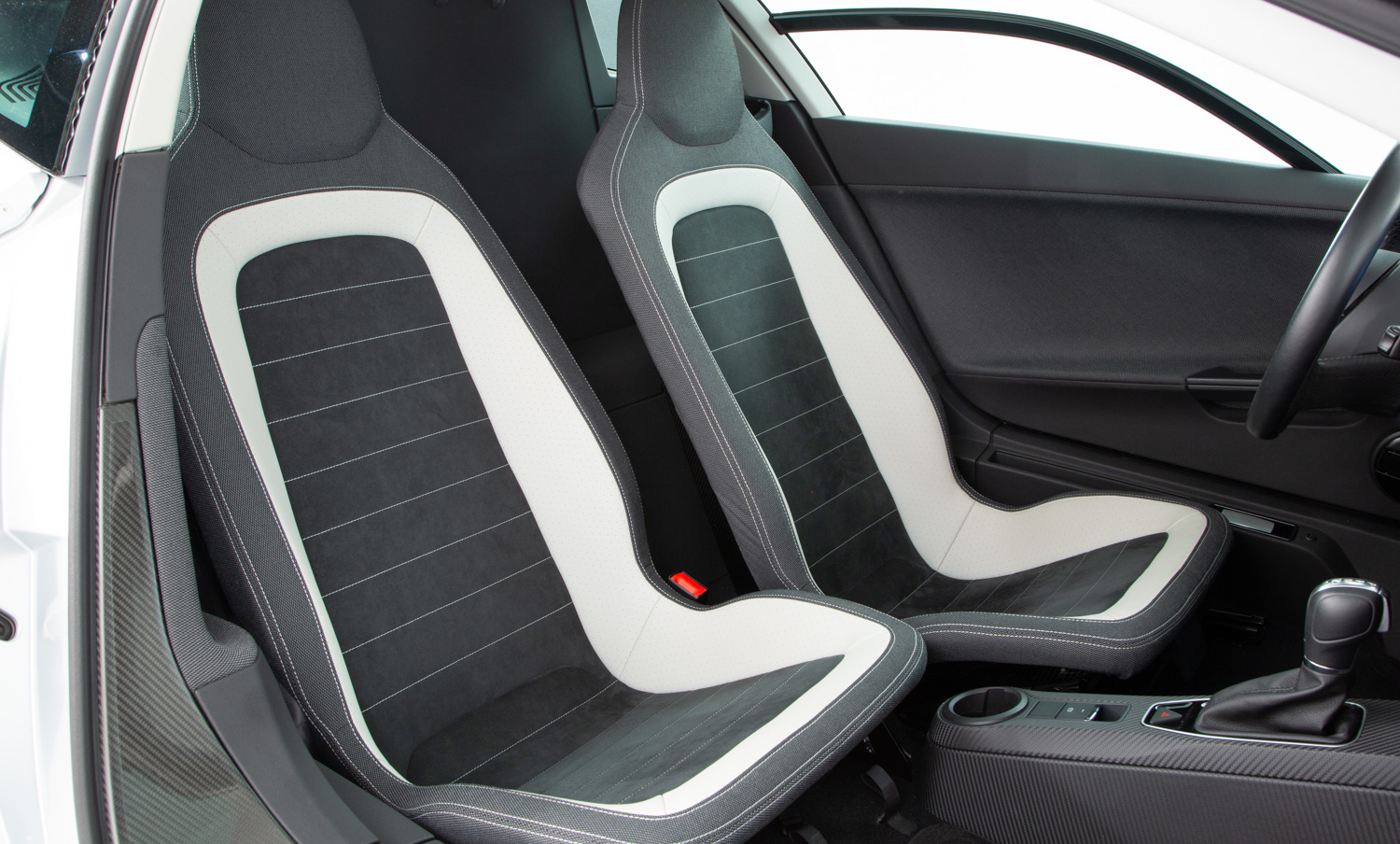
The same engineering-led approach continues inside. Driver and passenger sit slightly offset alongside one another within the carbon fibre structure, allowing Volkswagen to retain the aerodynamic advantages of an exceptionally narrow body without resorting to the tandem seating arrangement of the earlier prototypes.
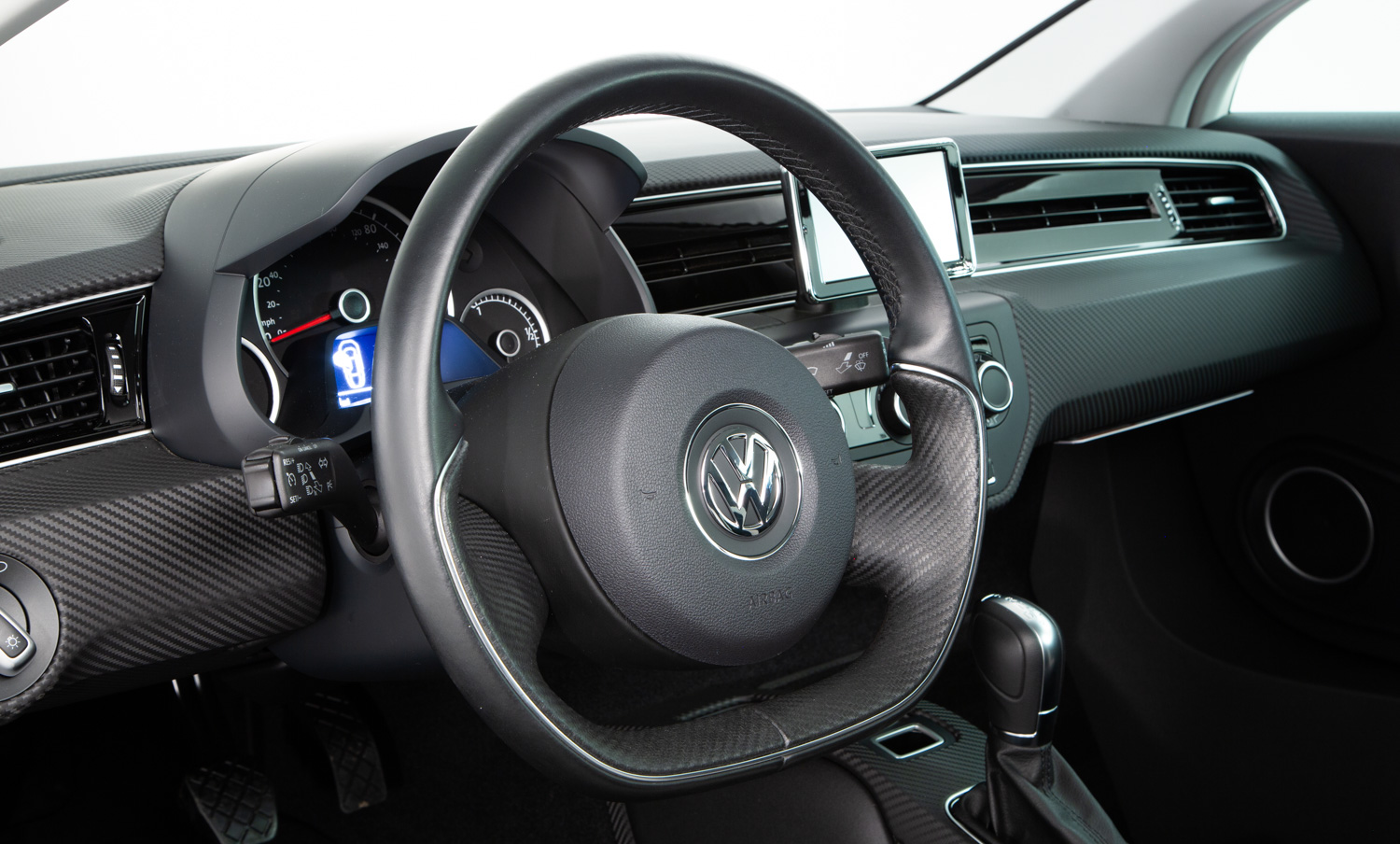
Exposed sections of CFRP make the XL1’s construction immediately apparent, joined by lightweight materials throughout the cabin and a refreshingly simple dashboard. Two dedicated displays replace conventional exterior mirrors, showing feeds from cameras integrated into the doors, while air conditioning provides an unusual concession to comfort within a car conceived with such obsessive attention to weight.
The result feels less like the interior of a conventional Volkswagen and more like stepping into a road-going engineering prototype — sparse where it needs to be, surprisingly usable where it matters and filled with details unique to the XL1.






ENGINE & TRANSMISSION
Behind the cabin sits the XL1’s remarkably compact hybrid drivetrain, combining an 800cc two-cylinder TDI with a 27 bhp electric motor. Together they drive the rear wheels through a seven-speed DSG transmission, creating a setup that is as unusual as the car itself.
Combined system output is a modest 68 bhp, although outright performance was never what the XL1 set out to prove. Its extraordinary lack of mass and aerodynamic efficiency allowed Volkswagen to quote 0-62mph in 12.7 seconds and an electronically limited 99mph top speed while achieving official combined consumption of just 0.9 litres per 100km.
A 5.5kWh lithium-ion battery also allows the car to travel up to approximately 31 miles solely under electric power. The drivetrain therefore makes considerably more sense viewed as an engineering achievement than through conventional performance figures; every component exists to demonstrate how little energy a properly optimised road car actually requires.


WHEELS, TYRES & BRAKES
Even the running gear demonstrates the extraordinary lengths taken to reduce mass. Lightweight magnesium wheels are fitted with specially developed narrow low-rolling-resistance tyres, measuring 115/80 R15 at the front and 145/55 R16 at the rear.
Behind them sits a braking system every bit as unusual as the rest of the car. Ceramic discs are paired with lightweight aluminium callipers, while the suspension makes extensive use of aluminium components and CFRP anti-roll bars. The visible front wheel, aerodynamic cover and Michelin tyre all present in excellent order.


HISTORY FILE
UK-supplied and first registered in 2015, this XL1 is number 148 of 200 and has covered just over 12k miles. Its history is well documented, with every service entrusted to Volkswagen’s Technical Centre in Milton Keynes from new, the most recent completed in March 2026 at 12,399 miles.
The car was regularly displayed during its first ownership, attending more than 150 shows, while being preserved with an exceptional level of care. Protective coverings were used across the seats, carpets, sills and luggage compartment, helping explain the outstanding presentation visible today.
The history file is accompanied by the original purchase agreement, factory charging unit, 12-volt battery conditioner, toolkit, tyre-repair kit, an unused set of XL1 floor mats, spare factory sill-protection film, presentation sales brochure, numbered framed print, original press material and Volkswagen’s distinctive metal history file.
The XL1 was conceived without compromise and produced in numbers that ensured it would remain a rare sight from the outset. This carefully preserved, UK-supplied example offers an unusual opportunity to acquire one of Volkswagen’s most important experimental projects, not as a motor-show concept but as a fully road-legal production car.
Disclaimer
Whilst Millennium Heroes, (“we”) attempt to make sure that the information contained in this website is accurate and complete, we are aware that some errors and omissions may occur from time to time. We are not able therefore, to guarantee the accuracy of that information and cannot accept liability for loss or damage arising from misleading information or for any reliance on which you may place on the information contained in this website. We highly recommend that you examine the vehicle to check the accuracy of the information supplied. If you have any queries with regard to any information on our website, please contact us at sales@millenniumheroes.com. This disclaimer does not affect your statutory rights.


 Springboard | v1.1